Updated 8 July 2026
A damaged, accident or written-off car can feel like a liability — but it almost always still has real value. Whether it's a minor prang, a non-runner or an insurance write-off, this guide explains what your car is worth, the difference between the write-off types, and exactly how to turn it into cash without the headaches.
Damaged vs written-off: what's the difference?
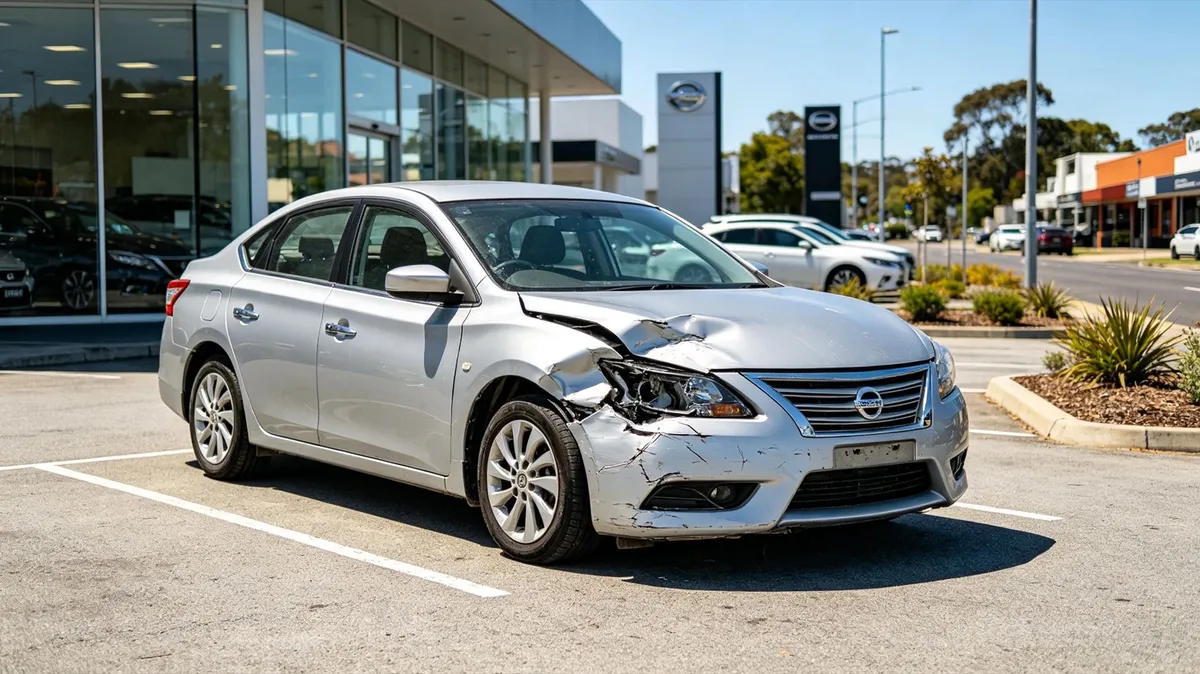
A damaged car is simply one with cosmetic or mechanical issues — dents, a blown engine, hail damage — that is still legally registered and yours to sell normally.
A written-off car is one an insurer has declared uneconomical or unsafe to repair, and recorded on the Written-Off Vehicles Register. Once a car is on that register, its status follows it forever and must be disclosed to any buyer.
The two types of write-off
If your car has been written off, which type it is makes a big difference to what you can do with it and what it's worth.
Repairable write-off
Can be repaired & re-registered
- Can return to the road after inspection
- Higher resale value
- Attractive to repairers & rebuilders
- Must pass a VIV/identity & safety inspection
Statutory write-off
Parts or scrap only
- Still valuable for parts & scrap metal
- Can never be re-registered
- Sold for dismantling only
- Lower value than repairable
What a damaged car is actually worth
The value of a damaged or written-off car comes from three things: the parts that can be salvaged and resold, the scrap value of the metal, and (for repairable cars) what it's worth once fixed. That's why two "write-offs" can be worth wildly different amounts.
| Value source | Applies to | Notes |
|---|---|---|
| Salvageable parts | Most makes & models | Engines, panels, electronics, wheels |
| Scrap metal | Every car | Priced by weight; a genuine baseline value |
| Repair-and-resell | Repairable write-offs | Highest value if the car can return to the road |
| Popular/late model | In-demand vehicles | More buyers competing = better price |
The takeaway: never pay to dispose of a car, and never assume it's worthless. Even a car that won't start has a real, quotable value — get an offer before you make any decision.
How to sell a damaged car (step by step)
- 1
Confirm the status & details
Note the make, model, year, damage and whether it's a repairable or statutory write-off.
- 2
Get a quote from a licensed buyer
Provide the details (and photos if possible) for a fast, obligation-free offer.
- 3
Accept and book free pickup
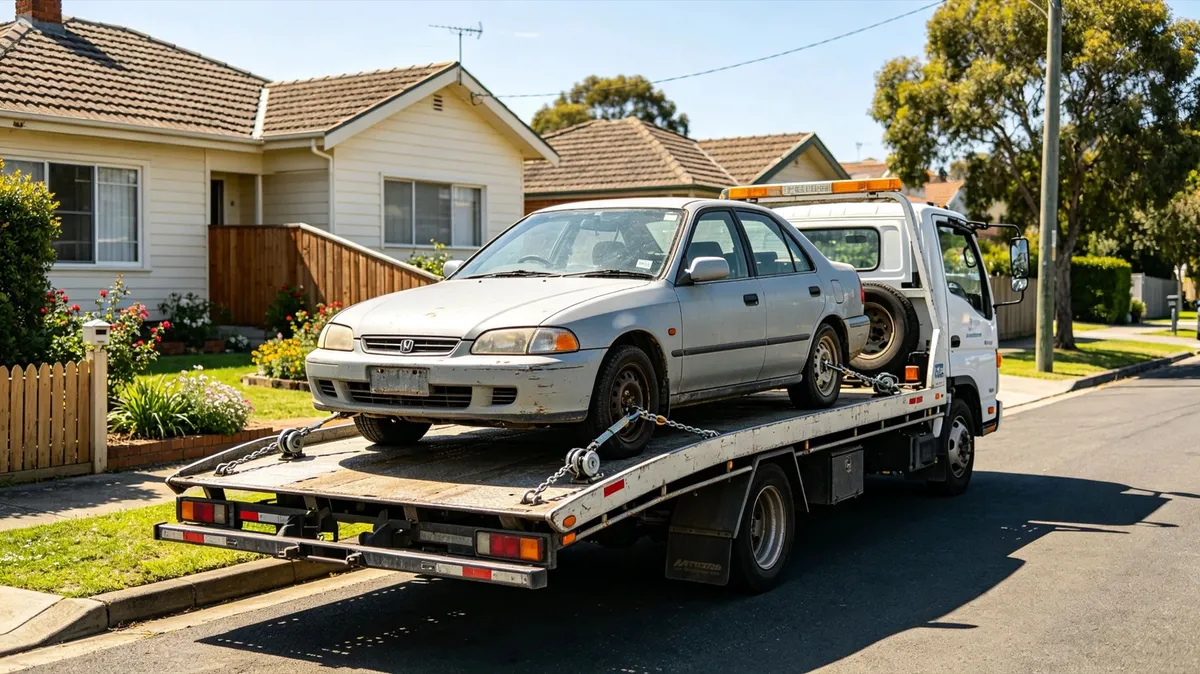
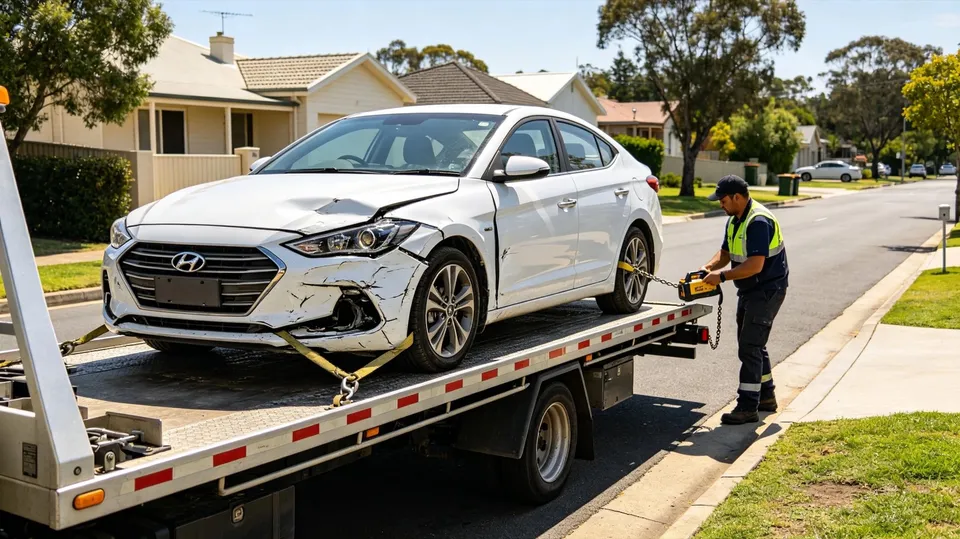
A licensed buyer arranges free towing — you don't need to move a non-running car.
- 4
Complete the paperwork
Disclose the write-off status and lodge a notice of disposal; a licensed buyer helps with this.
- 5
Get paid on the spot
Receive cash or bank transfer the same day, and the car is taken away.
Got a damaged or written-off car?
We buy cars in any condition — running or not — with free pickup.
Paperwork you'll need
Selling a damaged car involves a little more admin than a clean sale, but a licensed buyer handles most of it. You'll typically need:
- Proof of identity (photo ID).
- Registration details for the vehicle.
- Written-off disclosure — the buyer must be told of the car's register status.
- Notice of disposal lodged with VicRoads so the car is no longer in your name.
Frequently asked questions
Can I sell a car that's been written off?
Yes. You can sell a written-off car, but you must legally disclose the write-off status to the buyer, and in most states a statutory write-off can only be sold for parts or scrap — not re-registered. Licensed cash-for-cars buyers routinely purchase both repairable and statutory write-offs.
What's the difference between a repairable and a statutory write-off?
A repairable write-off can be repaired and re-registered after passing a vehicle identity and safety inspection. A statutory write-off is too badly damaged (or was stolen and stripped) and can never be re-registered — it can only be sold for parts or scrap metal.
How much is a damaged or non-running car worth?
It depends on the make, model, year, extent of damage and the value of salvageable parts and scrap metal. Even a non-running or written-off car has real value in its parts and materials, so you should always get a quote rather than paying to dispose of it.
Do I still need to tell VicRoads if I sell a written-off car?
Yes. You still need to complete a notice of disposal / transfer with your state road authority (VicRoads in Victoria) so the vehicle is no longer registered in your name, even if it's being sold for parts or scrap.
Will you pick up a car that doesn't run?
Yes. Licensed buyers offer free towing and removal for damaged, non-running and written-off cars, so you don't need to get it to them — they come to you and pay on the spot.