Updated 8 July 2026
Selling a car privately means dealing with strangers and money — and that attracts scammers. The good news: almost every car-selling scam follows a familiar pattern, so once you know the red flags they're easy to avoid. Here's how to sell safely in Australia and protect yourself from fraud.
Common car-selling scams
| Scam | How it works |
|---|---|
| Overpayment scam | Buyer 'accidentally' pays too much and asks for a refund of the difference — the original payment later bounces |
| Fake payment receipt | A forged bank transfer or PayID screenshot that never actually arrives |
| Bounced cheque | A cheque or bank cheque that clears slowly then fails after you hand over the car |
| 'Shipping agent' scam | An overseas buyer sends a 'courier' to collect the car and pay — the payment is fake |
| Phishing for details | A 'buyer' fishes for personal or banking details rather than buying |
Red flags to watch for
- A buyer who won't meet in person or inspect the car.
- Overpayment or a request to refund a difference.
- Pressure to act fast or release the car before payment clears.
- Payment that's needlessly complicated — third parties, agents, overseas transfers.
- Only a screenshot as "proof" of payment.
How to sell safely
- Meet in a public place in daylight, and bring someone with you.
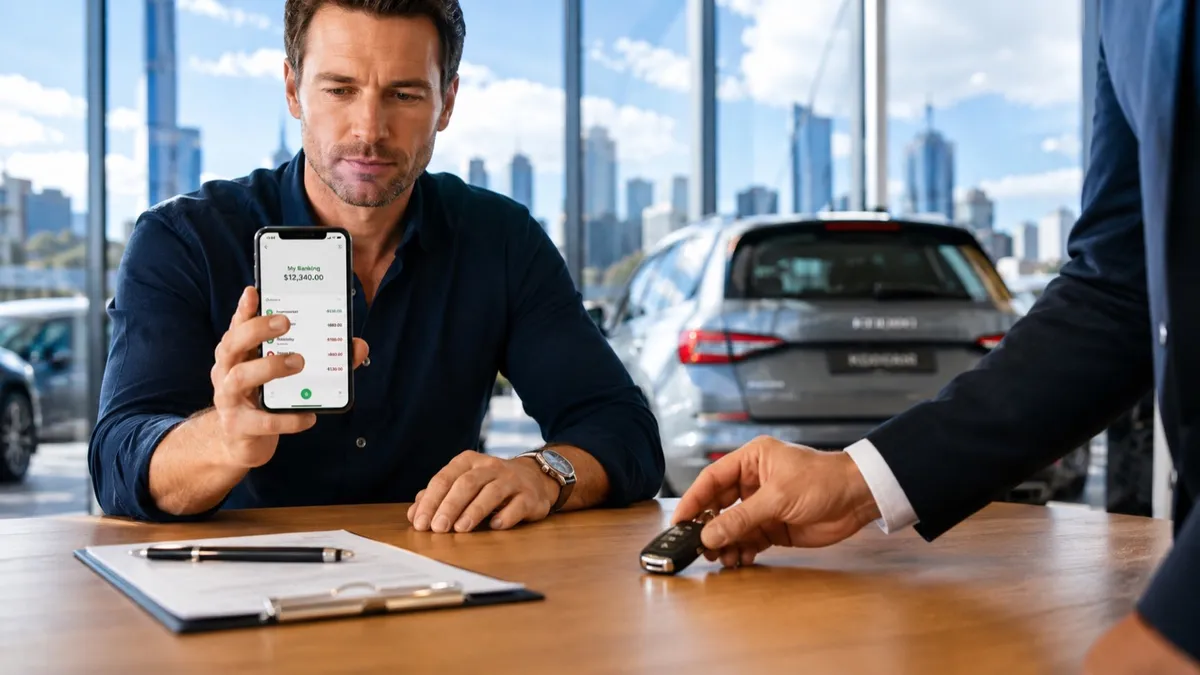
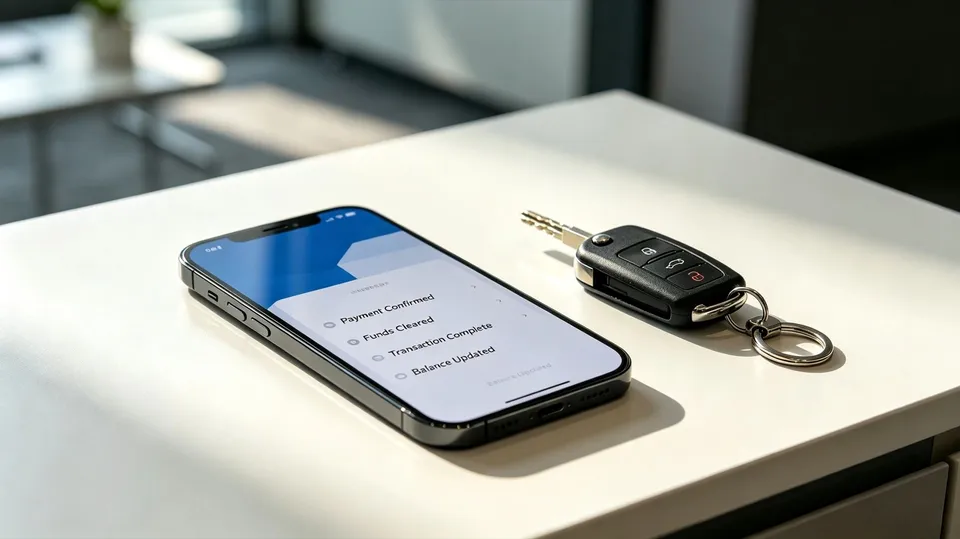
- Confirm cleared funds in your own banking app before handing anything over.
- Never share banking logins, ID copies or personal details you don't need to.
- Keep records of the buyer, the sale and the transfer.
- Report anything suspicious to Scamwatch.
The safest option: a licensed buyer
Every one of these scams relies on an anonymous buyer and an uncertain payment. Selling to a licensed motor car trader removes both. You deal with a real, accountable business at a real address, the paperwork is done properly, and you're paid securely — cash or bank transfer — before the car goes anywhere.
Skip the risk entirely
Sell to a licensed, local buyer — safe, secure and paid on the spot.
Frequently asked questions
What are the most common car-selling scams?
Overpayment scams (a buyer 'overpays' and asks for a refund), fake payment receipts or PayID screenshots, bounced cheques, and 'shipping agent' scams where an overseas buyer sends a courier with fake payment.
How do I know a payment is real?
Only confirm payment in your own banking app — never trust a screenshot, a 'pending' transfer or a cheque. Never release the car, keys or signed transfer until the funds have actually cleared into your account.
What are the biggest red flags?
A buyer who won't meet in person, overpays, pressures you to act fast, uses needlessly complex payment (agents, third parties, overseas transfers), or offers only a screenshot as proof of payment.
Where do I report a car-selling scam?
Report suspicious activity to Scamwatch (run by the ACCC/NASC). Keep records of the buyer and any messages in case they're needed.
What's the safest way to sell a car?
Selling to a licensed motor car trader removes the risk — a real, accountable business inspects the car, completes the transfer and pays you securely on the spot, with no strangers or fake payments involved.