Updated 8 July 2026
Selling a car in Victoria is straightforward once you know which documents you need and how the VicRoads transfer works. Get it right and the sale is clean and final; get it wrong and you can be chased for the new owner's fines and tolls. This checklist covers everything, written by someone who completes these transfers every day.
Documents you need to sell a car in Victoria
Here's the full checklist for a private sale of a registered vehicle in Victoria:
| Document | Required? | Notes |
|---|---|---|
| Proof of identity | Yes | Photo ID for the transfer |
| Registration details | Yes | Rego number & certificate |
| Roadworthy certificate (RWC) | Usually | For most registered-vehicle sales |
| Transfer of registration | Yes | Completed by buyer and seller |
| Notice of disposal | Strongly advised | Protects you after the sale |
| Service history & manuals | Optional | Not required, but helps the sale |
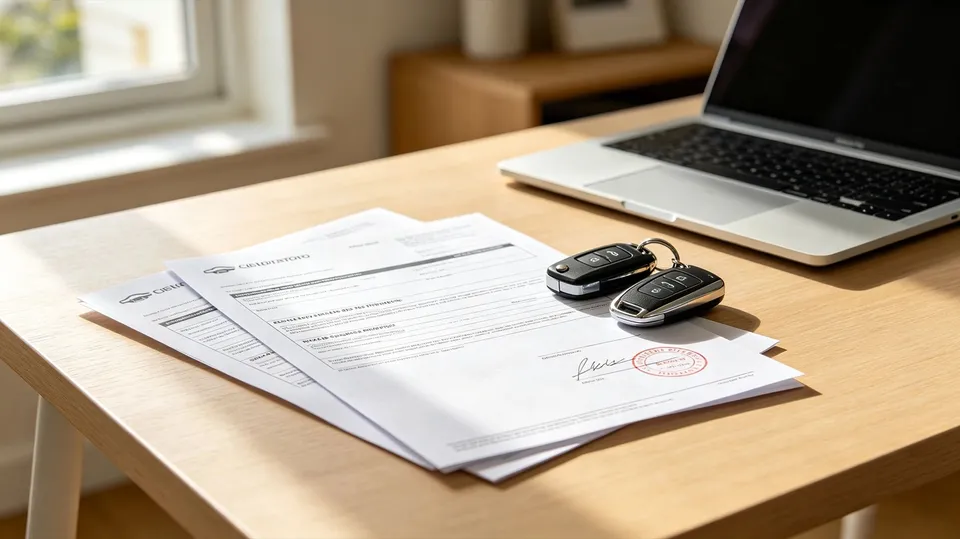
The roadworthy certificate (RWC)
In Victoria, you generally need a current roadworthy certificate to transfer a registered vehicle to a new owner. It certifies the car meets minimum safety standards and must be issued by a licensed vehicle tester.
How the VicRoads transfer works
Transferring registration is what legally moves the car from your name to the buyer's. Here's the sequence:
- 1
Complete the transfer form
Both you and the buyer fill in and sign the transfer of registration.
- 2
Provide the roadworthy certificate
Give the buyer the RWC (where required) so they can register the car in their name.
- 3
Buyer lodges the transfer
The buyer submits the transfer and pays any duty and fees to VicRoads within the required time.
- 4
You lodge a notice of disposal
Notify VicRoads you've sold the car so it's no longer registered to you.
Protecting yourself after the sale
The single most important step sellers forget is the notice of disposal. Until VicRoads knows you've sold the car, its records still show it as yours.
Two more habits that protect you:
- Keep copies of everything — the signed transfer, the RWC and the buyer's details.
- Remove the car from your insurance only once the sale is complete and payment has cleared.
Want to skip the paperwork entirely?
Sell to a licensed buyer — we complete and lodge the transfer for you.
This article is general information, not legal advice. For the current official requirements, always check VicRoads.
Frequently asked questions
What documents do I need to sell my car in Victoria?
You generally need proof of identity, the vehicle's registration details, a roadworthy certificate (for most sales), and a completed transfer of registration. Service records and spare keys aren't legally required but help the sale.
Do I need a roadworthy certificate to sell my car in Victoria?
Usually yes — a current roadworthy certificate (RWC) is required to transfer a registered vehicle to a new owner in Victoria. Exceptions include unregistered vehicles and cars sold to licensed motor car traders, who can handle the transfer differently.
How do I transfer registration when I sell my car?
In Victoria, both the buyer and seller complete a transfer of registration with VicRoads. As the seller you should also lodge a notice of disposal so the car is no longer in your name — this protects you from future fines and tolls.
What happens if I don't lodge a notice of disposal?
If you don't notify VicRoads that you've sold the car, you can remain liable for the vehicle — including tolls, parking fines and infringements racked up by the new owner. Always lodge the notice of disposal promptly after the sale.
Is the paperwork easier if I sell to a licensed buyer?
Much easier. A licensed motor car trader completes and lodges the transfer paperwork for you as part of the sale, so you don't have to organise a roadworthy or chase forms — you just provide ID and the registration details.